
At Orthodontic Nations in The Woodlands, TX, many patients ask how TADs can improve orthodontic results. TADs, short for temporary anchorage devices, provide stable support to move teeth with precision. This page explains what they are, why they are used, and what patients in The Woodlands, Texas can expect during treatment.
TADs Explained
Temporary anchorage devices are small, biocompatible titanium mini-screws placed in the jawbone to act as fixed anchors for braces or clear aligners. They help guide targeted tooth movement without relying on other teeth, headgear, or elastic wear. TADs are temporary and are removed once their job is complete. Because they are compact and placed with local anesthesia, most patients report minimal discomfort. TADs can assist with closing spaces, correcting open bites, intruding molars, aligning impacted teeth, and improving bite relationships where conventional anchorage falls short.
Advantages Of TADs In Orthodontics
- More Precise Control: TADs provide a stable anchor, allowing controlled tooth movement that is hard to achieve otherwise.
- Fewer Compliance Demands: They can reduce the need for headgear or extensive elastic wear.
- Potentially Shorter Treatment: Efficient mechanics may streamline certain phases of care.
- May Reduce Extractions Or Surgery: In select cases, TADs offer options that limit more invasive steps.
- Versatility: Useful for impacted tooth traction, space closure, molar intrusion, and bite correction.
How TADs Work
TADs act like small anchors placed in bone near the teeth that need movement. Orthodontic forces are applied from braces or aligner attachments to the TAD, directing teeth without using nearby teeth as support. Because the anchor is in bone, forces are more predictable and focused. A TAD is typically placed under local anesthesia in a brief appointment. In many cases, it can be used immediately to start guiding tooth movement.
TADs Case Study: Correcting an Open Bite Without Jaw Surgery
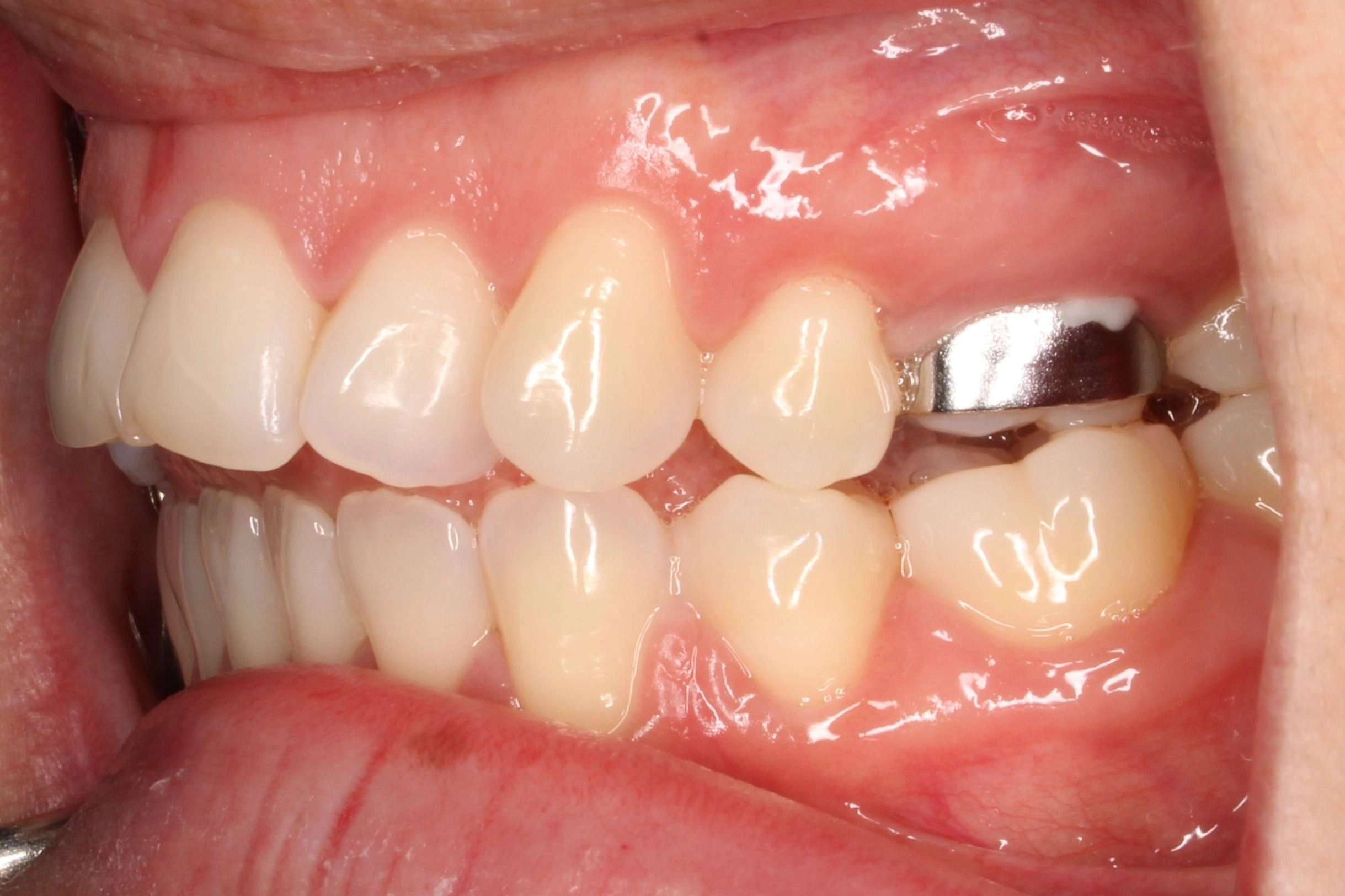
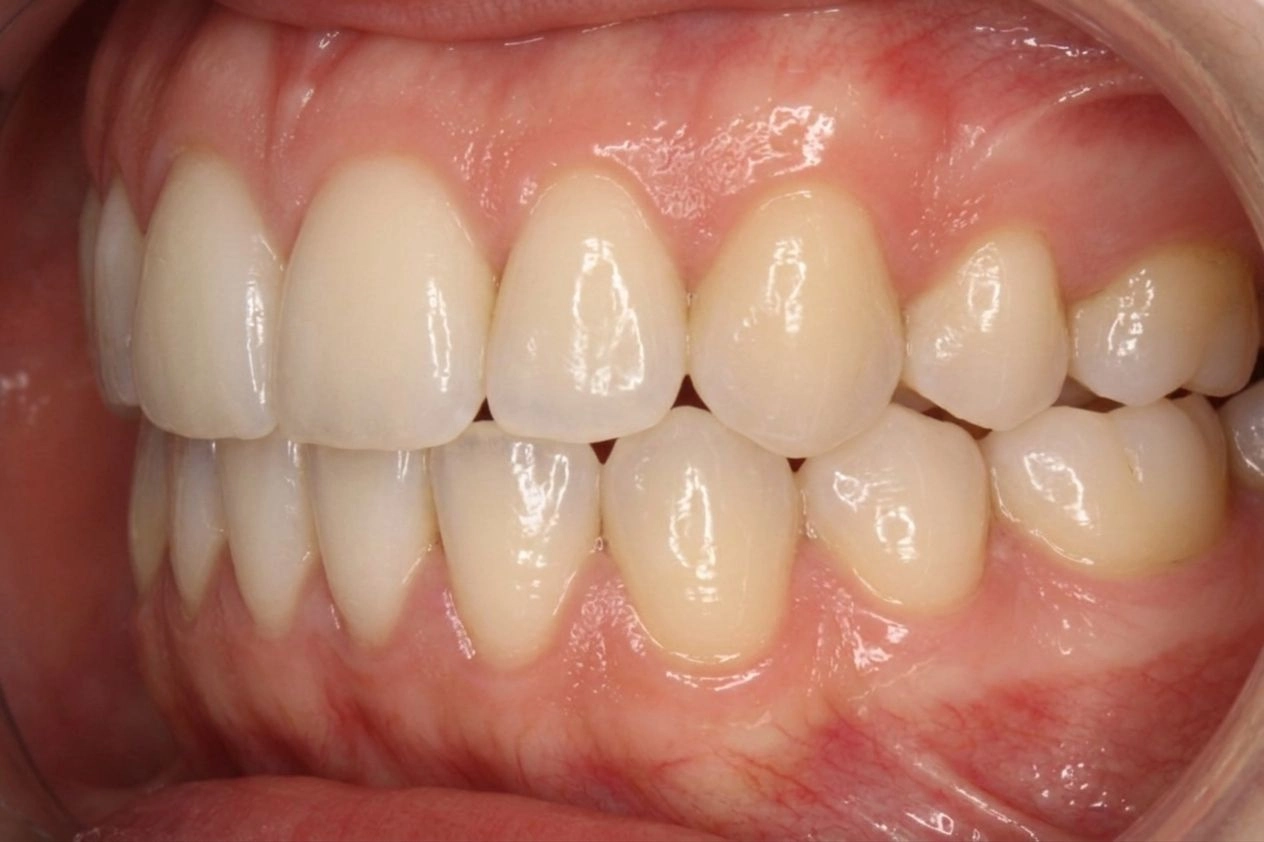
This patient came to Orthodontic Nations concerned about an open bite, excessive overjet, and crowding in both the upper and lower teeth. The patient had already completed orthodontic treatment in the past, including the removal of four premolars, but was not satisfied with the result. Another orthodontist had recommended jaw surgery.
Dr. Yin developed a treatment plan using temporary anchorage devices, or TADs, to help move the upper teeth into a better position and improve the bite. TADs provided additional control during treatment, allowing Dr. Yin to address the open bite and Class II bite relationship without jaw surgery.
Treatment duration: 20 months.
TADs Case Study: Improving an Uneven Bite Without Surgery
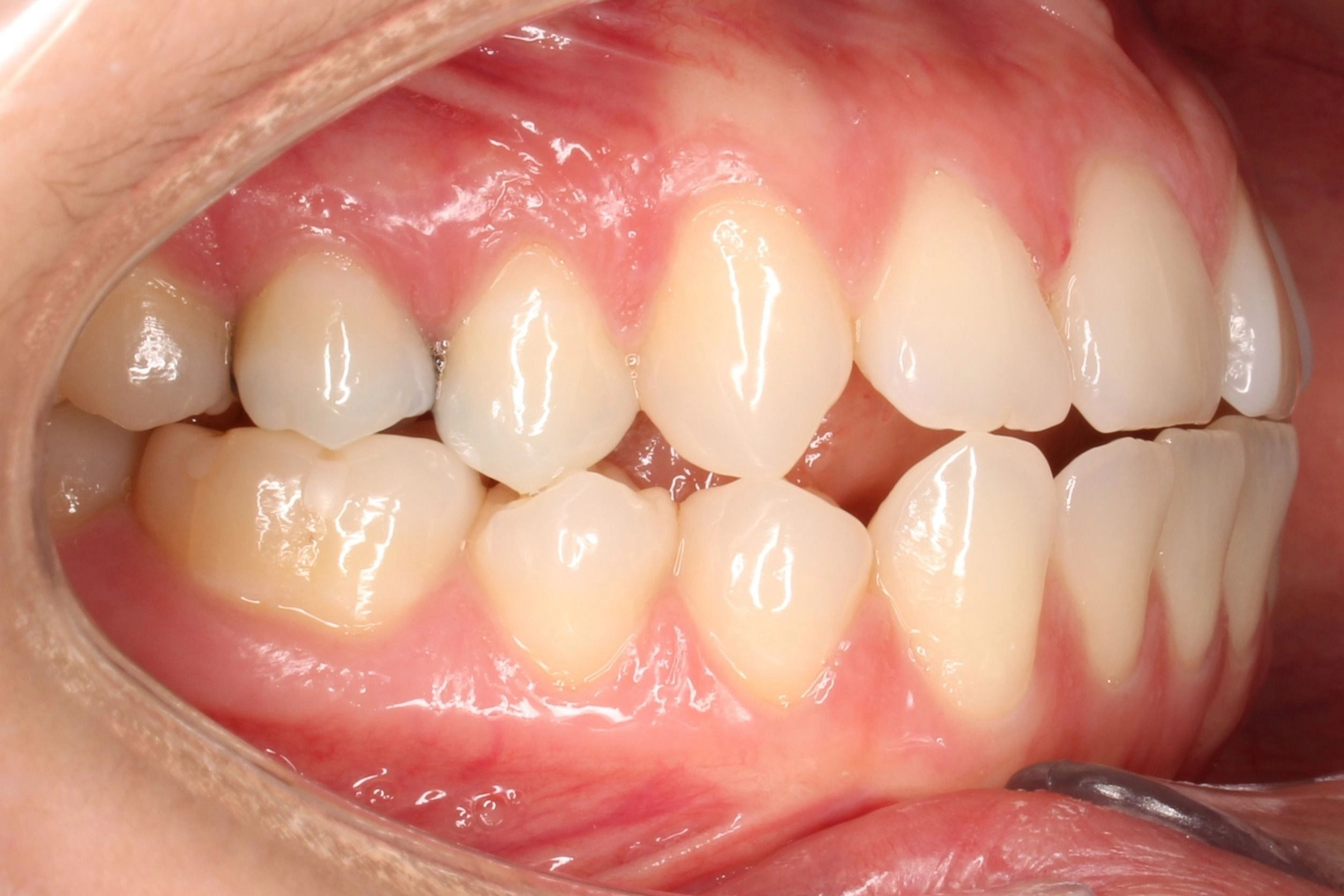
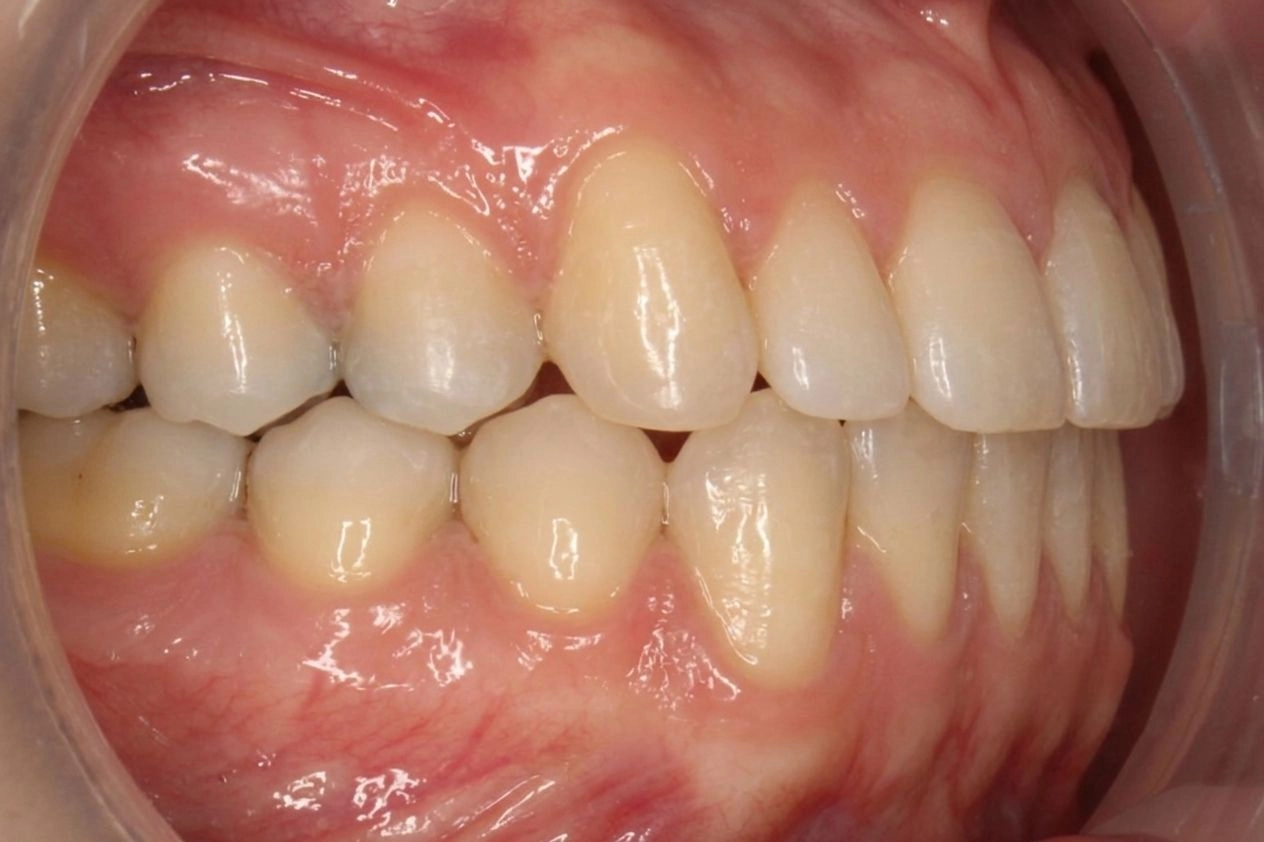
This patient came to Orthodontic Nations with an open bite, crossbite, and a lower dental midline that was shifted to one side. The bite was also affected by an asymmetrical Class III relationship. Before coming to Dr. Yin, the patient had consulted two other orthodontists who recommended either removing a lower premolar or undergoing jaw surgery.
Dr. Yin used temporary anchorage devices, or TADs, to help move the lower teeth on one side into a better position. This approach allowed him to improve the bite and bring the lower midline closer to center without surgery.
Treatment duration: 28 months.
Step-By-Step TADs Guide
Evaluation And Planning
A clinical exam and imaging help identify if a TAD is appropriate and where it should be positioned. The plan covers what the device will do, how long it may be needed, and any alternatives.
Placement Appointment
The area is numbed, the site is cleaned, and the mini-screw is gently placed through the gum into bone. The process often takes only a few minutes per device. Most patients feel pressure rather than pain.
Using The TAD
Elastic chains, coil springs, or wires connect to the TAD to deliver targeted forces. Instructions include how to keep the area clean and what sensations are normal as movement begins.
Monitoring And Removal
Follow-up visits track tooth movement and TAD stability. When it has done its job, the device is removed simply under local anesthesia. The small site heals quickly.
Your TADs Experience
Expect mild soreness for a day or two after placement, similar to braces adjustments. Good hygiene is essential. Brush gently around the TAD with a soft brush and use a recommended rinse. Avoid hard or sticky foods near the site for the first few days. Contact the office if the device feels loose or if the gum becomes tender or swollen. Complications are uncommon but can include temporary irritation, minor inflammation, or loss of stability, which can usually be addressed quickly. Most patients can speak, eat, and clean normally once they adjust to the TAD.